















by Fawn Logan-Young
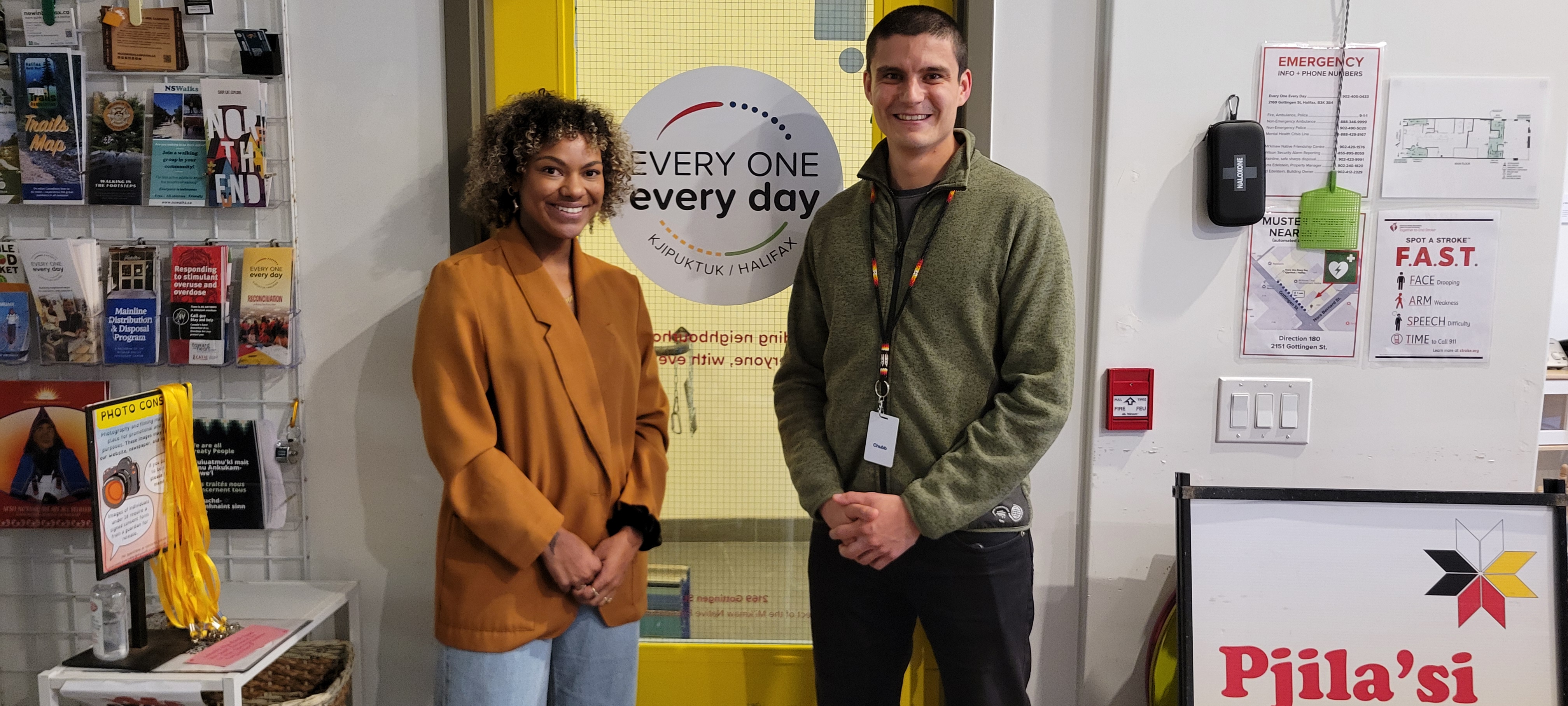
Recreation Nova Scotia and the Mi'kmaw Native Friendship Centre's Every One Every Day Program came together with a shared intention: to create space for deeper learning, reflection, and action around decolonization and anti-racism in recreation.
What emerged through the Movie Media Meet-Up series was far more than a set of film screenings. It became a meaningful community of practice, grounded in relationship-building, storytelling, and a willingness to ask difficult but necessary questions.
As co-facilitators, Hank Barker and I set out to use Canadian media as a catalyst for exploring colonial and racial barriers in recreation and the outdoors, while supporting participants to move toward tangible change in their own communities. Over four in-person sessions, we witnessed how powerful the combination of film and dialogue can be.
Each gathering invited participants to engage with a different lens. From environmental racism to colonial control, from reconnection to land to expressions of joy and resistance, the films helped ground complex ideas in lived experience and challenged many of us to reconsider what recreation truly means, and who it has historically been designed for.
Early sessions focused on access: who has safe, clean, and welcoming spaces to gather, play, and connect with the land. Participants reflected on how far we have come, while also acknowledging that environmental and social inequities continue to shape recreational opportunities across Nova Scotia. As the series progressed, conversations expanded further to specifically examine how historical systems of control continue to echo in present-day recreation structures, influencing anything from funding and policies to programming design.
One of the most powerful threads across all four sessions was the idea of reconnection through recreation. Through personal stories of land, water, and cultural practices, participants began to reimagine recreation as something more expansive. Something rooted in relationship, identity, and wellness. We spoke often about "body memory": the sense of familiarity and belonging that can arise when engaging in activities tied to ancestry and land, whether canoeing, being near water, or simply spending time outdoors.
At the same time, we acknowledged that for some communities, particularly Indigenous and African Nova Scotian communities, access to these spaces has been historically restricted or hindered and the intergenerational impacts can be witnessed today.
The North Preston Surf Program, featured in Freedom Swell, offered a powerful example of these impacts being addressed: by using surf as a catalyst, the program gave participants navigating intergenerational trauma - including deep-rooted barriers around water and access - opened pathways to mental and social resilience, self-determination, and community leadership. It illustrated how intentional investment in recreation can create ripple effects that touch health, identity, and opportunity in ways that extend far beyond the activity itself.
Discussions also acknowledged the current realities facing the sector, like funding challenges and shifting priorities, reinforcing the importance of advocating for recreation not as a luxury, but as an essential component of individual and community well-being.
Throughout the series, participants consistently returned to a core truth: recreation holds the potential to reconnect us.
To ourselves.
To each other.
And to the land.
It creates space for silence and reflection in a fast-moving world, while also offering opportunities for learning, reciprocity, and relationship-building. Most importantly, participants left with a clearer sense of how they can contribute to more equitable and inclusive recreation. Whether through small shifts in programming, deeper engagement with community voices, or ongoing learning and unlearning.
One moment from the series that stays with me came when a participant paused to look at the word recreation itself. Break "recreation" down to its roots, they pointed out, and you find something quietly profound: re and creation. To recreate. To create again. In that reframing, recreation stops being about leisure or programming or structured activity… It becomes an act of renewal and resilience. For communities that have experienced disconnection from land, culture, and identity, that idea carries real weight. Recreation, understood this way, is not just about filling time or building fitness. It is about reclaiming, restoring, and reimagining. It is about returning to something essential and rebuilding it on your own terms. Perhaps that is the most honest definition of what this series was really about.
This series is only one step in a much larger journey. But it has shown us what is possible when we come together with openness, curiosity, and a commitment to doing better.
For everyone, every day.
Fawn Logan-Young,
Projects, Equity and Anti-Racism Coordinator